Nukleotidy: The Building Blocks of Life and Genetic Information

The term “nukleotidy,” or nucleotides in English, refers to the fundamental building blocks of nucleic acids—DNA and RNA—that are essential for all known forms of life. These small organic molecules play a central role in storing genetic information, regulating cellular processes, and providing energy for biochemical reactions. Nucleotides are not only the structural components of the genetic code but also serve as signaling molecules and energy carriers, making them indispensable to life at both the cellular and molecular levels. This article explores the concept of nukleotidy in depth, examining their chemical structure, types, biological functions, synthesis, role in genetics and biotechnology, and broader implications for health, medicine, and evolution.
Chemical Structure of Nucleotides
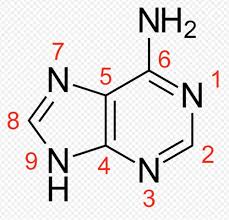
A nucleotide consists of three core components: a nitrogenous base, a five-carbon sugar, and one or more phosphate groups. The nitrogenous base can be a purine (adenine or guanine) or a pyrimidine (cytosine, thymine, or uracil), which determines the nucleotide’s identity and pairing properties. The sugar, either deoxyribose in DNA or ribose in RNA, provides the backbone for nucleic acid chains. Phosphate groups link the sugar molecules together through phosphodiester bonds, forming the structural framework of nucleic acids. This intricate chemical design allows nucleotides to store information, participate in energy transfer, and engage in molecular recognition processes.
Types of Nucleotides
Nucleotides can be categorized based on their nitrogenous bases or functional roles. The four primary nucleotides in DNA are adenine (A), thymine (T), cytosine (C), and guanine (G), while in RNA, uracil (U) replaces thymine. Beyond these, nucleotides exist in phosphorylated forms such as adenosine triphosphate (ATP), guanosine triphosphate (GTP), cytidine triphosphate (CTP), and uridine triphosphate (UTP), which serve as energy carriers and substrates for biosynthetic reactions. Modified nucleotides, like NAD+ (nicotinamide adenine dinucleotide) and cyclic AMP (cAMP), play critical roles in metabolism and signal transduction, highlighting the versatility of these molecules in cellular processes.
Nucleotides as Genetic Information Carriers
The primary function of nucleotides is to encode and transmit genetic information. In DNA, sequences of nucleotides form genes, which provide instructions for protein synthesis and cellular regulation. Complementary base pairing, such as adenine with thymine and cytosine with guanine, ensures the faithful replication of genetic material during cell division. In RNA, nucleotides transcribe and translate DNA instructions into proteins, mediating essential cellular functions. The sequence and arrangement of nucleotides constitute the molecular language of life, enabling inheritance, adaptation, and evolution.
Energy Currency of the Cell
Beyond their role in genetics, nucleotides serve as energy carriers. ATP, the most well-known nucleotide triphosphate, stores and transfers chemical energy within cells. Hydrolysis of ATP releases energy that powers biochemical reactions, muscle contraction, active transport, and signaling pathways. Similarly, GTP, CTP, and UTP participate in protein synthesis, nucleic acid synthesis, and other metabolic processes. This dual functionality—as both informational and energetic molecules—underscores the centrality of nucleotides in cellular life.
Signaling Molecules and Cellular Regulation
Certain nucleotides act as secondary messengers in cellular signaling. Molecules like cyclic AMP (cAMP) and cyclic GMP (cGMP) regulate processes such as hormone signaling, gene expression, and enzymatic activity. These nucleotides transmit information from extracellular signals to intracellular targets, coordinating complex physiological responses. By functioning as chemical messengers, nucleotides integrate environmental cues with cellular machinery, ensuring homeostasis and adaptive responses.
Biosynthesis of Nucleotides
Nucleotides are synthesized through two main pathways: de novo synthesis and salvage pathways. De novo synthesis constructs nucleotides from basic molecular precursors, including amino acids, carbon dioxide, and ribose-5-phosphate. Salvage pathways recycle free bases and nucleosides from degraded nucleic acids, conserving cellular resources. These pathways are tightly regulated to maintain nucleotide balance, which is essential for DNA replication, RNA transcription, and overall cellular health.
Role in DNA and RNA Structure
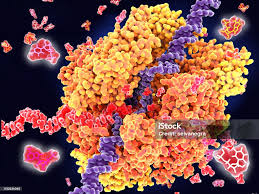
Nucleotides form the structural framework of DNA and RNA. In DNA, nucleotides assemble into long, double-stranded helices stabilized by hydrogen bonds between complementary bases. This structure protects genetic information and facilitates replication. In RNA, single-stranded nucleotide chains fold into complex shapes to perform diverse functions, including messenger RNA (mRNA), transfer RNA (tRNA), and ribosomal RNA (rRNA). The versatility of nucleotide structures enables the diverse functional repertoire of nucleic acids in living cells.
Nucleotides in Biotechnology and Medicine
Nucleotides are pivotal in modern biotechnology and medical research. They are used in polymerase chain reaction (PCR) for DNA amplification, in sequencing technologies, and in the development of diagnostic assays. Synthetic nucleotides and nucleotide analogs serve as antiviral drugs, chemotherapy agents, and gene-editing tools. Understanding nucleotide chemistry and function has allowed scientists to manipulate genetic material, develop targeted therapies, and advance precision medicine.
Mutations and Evolutionary Implications
Changes in nucleotide sequences, known as mutations, drive genetic variation and evolution. Point mutations, insertions, deletions, and rearrangements can alter protein function, regulatory mechanisms, or phenotypic traits. While some mutations are harmful, others provide adaptive advantages, shaping species evolution over generations. Nucleotides thus play a central role not only in maintaining life but also in enabling the diversity and adaptability of organisms.
Dietary and Nutritional Considerations
Although the body synthesizes most nucleotides, dietary intake contributes to nucleotide pools, especially in rapidly dividing tissues. Foods rich in nucleotides, such as meat, fish, legumes, and certain vegetables, support growth, tissue repair, and immune function. Dietary nucleotides are particularly important in infancy, illness, or stress, when endogenous synthesis may not meet demand, highlighting their role in overall health and nutrition.
Frequently Asked Questions (FAQ)
What are nucleotides?
Nucleotides are organic molecules that serve as the building blocks of DNA and RNA, as well as energy carriers and signaling molecules.
What is the structure of a nucleotide?
A nucleotide consists of a nitrogenous base, a five-carbon sugar, and one or more phosphate groups.
What roles do nucleotides play in the cell?
They store genetic information, provide energy (ATP, GTP), act as secondary messengers (cAMP, cGMP), and participate in metabolism.
Can nucleotides affect health?
Yes, they are essential for cell division, immune function, tissue repair, and can be used therapeutically in medicine.
Conclusion
Nukleotidy are far more than simple molecular components; they are the foundation of life, connecting genetic information, energy metabolism, cellular signaling, and evolution. From encoding the blueprint of organisms to powering essential biochemical reactions, nucleotides are indispensable in both health and disease. Their role extends into biotechnology and medicine, where understanding and manipulating nucleotides has transformed diagnostics, treatment, and research. Appreciating the complexity and versatility of nukleotidy highlights their central place in biology, genetics, and the ongoing exploration of life’s molecular foundations.