Title: Nukleotidy: Building Blocks of Life and Their Vital Role in Genetics

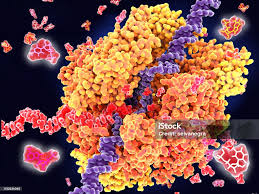
nukleotidy Nucleotides, or “nukleotidy” in some contexts, are fundamental molecules that form the basis of nucleic acids, such as DNA and RNA, which are essential to all living organisms. These small but incredibly important molecules play a critical role in storing and transmitting genetic information, regulating cellular processes, and providing energy for biological reactions. Each nucleotide consists of a sugar molecule, a phosphate group, and a nitrogenous base, creating a versatile structure that supports life at the molecular level. Understanding nucleotides is crucial for studying genetics, molecular biology, biotechnology, and medicine. This article explores the structure, function, types, synthesis, applications, and future potential of nucleotides in science and medicine.
Structure of Nucleotides
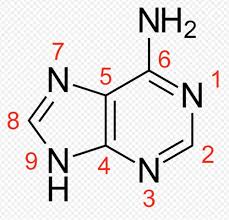
Nucleotides are composed of three main components: a nitrogenous base, a five-carbon sugar, and one or more phosphate groups. The nitrogenous base can be a purine, such as adenine or guanine, or a pyrimidine, such as cytosine, thymine, or uracil in RNA. The sugar is either deoxyribose in DNA or ribose in RNA, distinguishing the two types of nucleic acids. Phosphate groups link nucleotides together via phosphodiester bonds, forming the backbone of nucleic acids. This structure allows nucleotides to store genetic information efficiently and participate in cellular energy transfer and signaling processes.
Functions of Nucleotides
Nucleotides serve multiple vital functions within cells. They are the monomers that assemble into DNA and RNA, encoding genetic instructions for protein synthesis and cellular function. Certain nucleotides, like ATP (adenosine triphosphate), act as the primary energy currency of cells, fueling biochemical reactions. Others, such as GTP (guanosine triphosphate), participate in signal transduction and protein synthesis. Nucleotides also act as cofactors in enzymatic reactions and precursors for nucleotide-derived molecules like NADH and FAD, which are essential for metabolism. The multifunctional role of nucleotides makes them indispensable for life.
Types of Nucleotides
Nucleotides can be classified based on the nitrogenous base they contain. Purine nucleotides include adenine (A) and guanine (G), while pyrimidine nucleotides include cytosine (C), thymine (T) in DNA, and uracil (U) in RNA. Each nucleotide can exist in different phosphorylation states: monophosphate (NMP), diphosphate (NDP), and triphosphate (NTP). These variations determine their roles in energy transfer, signaling, and polymer formation. The specific sequence of nucleotides in DNA and RNA encodes genetic information, which is read and translated during protein synthesis, highlighting the critical importance of nucleotide diversity.
Nucleotide Synthesis
Nucleotides are synthesized in cells via two main pathways: de novo synthesis and salvage pathways. De novo synthesis constructs nucleotides from basic molecular precursors, including amino acids, carbon dioxide, and ribose phosphate. This pathway is energy-intensive but ensures a consistent supply of nucleotides for DNA and RNA production. Salvage pathways recycle free bases or nucleosides from cellular breakdown, conserving energy and resources. Proper regulation of nucleotide synthesis is essential for cell growth, replication, and repair, and defects in these pathways can lead to genetic disorders and metabolic imbalances.
Role in DNA and RNA
In DNA, nucleotides pair through hydrogen bonds between complementary bases (adenine with thymine, and cytosine with guanine) to form the double-helix structure. This pairing allows accurate replication and transmission of genetic information to daughter cells. In RNA, nucleotides form single-stranded molecules that play critical roles in transcription, translation, and regulation of gene expression. Messenger RNA (mRNA), transfer RNA (tRNA), and ribosomal RNA (rRNA) are all composed of nucleotides and are essential for protein synthesis. Nucleotides ensure the fidelity and functionality of genetic material, enabling life processes to occur seamlessly.
Nucleotides in Energy Metabolism
ATP, the most well-known nucleotide, stores and provides energy for cellular processes, including muscle contraction, active transport, and biosynthesis. Other nucleotides, such as GTP, CTP, and UTP, also participate in metabolic reactions, including gluconeogenesis, lipid metabolism, and signal transduction. The hydrolysis of high-energy phosphate bonds releases energy that drives endergonic reactions, highlighting nucleotides’ central role in sustaining life. Energy management at the molecular level depends critically on the availability and turnover of nucleotides.
Signaling and Regulatory Functions
Beyond their roles in nucleic acid formation and energy transfer, nucleotides function as signaling molecules. Cyclic AMP (cAMP) and cyclic GMP (cGMP) act as secondary messengers in cellular signaling pathways, regulating processes such as hormone response, cell growth, and gene expression. Nucleotides are also involved in intracellular communication and response to environmental stimuli. Their ability to mediate complex biochemical signaling underscores their importance in maintaining cellular homeostasis and coordinating organismal function.
Medical and Biotechnological Applications
Nucleotides have numerous applications in medicine and biotechnology. Synthetic nucleotides are used in antiviral drugs, cancer therapy, and diagnostic tools. Nucleotide analogs can inhibit viral replication by interfering with DNA or RNA synthesis. Nucleotides are also essential in PCR, DNA sequencing, and other molecular biology techniques, enabling research, diagnostics, and forensic applications. Understanding nucleotide function and manipulation has revolutionized medicine, leading to targeted therapies and advanced genetic research.
Nucleotide Deficiencies and Disorders
Imbalances or deficiencies in nucleotides can lead to metabolic and genetic disorders. Disorders of purine and pyrimidine metabolism can cause conditions such as gout, immunodeficiency, or neurological defects. Defective nucleotide synthesis or recycling can impair DNA replication, leading to cell death or uncontrolled proliferation. Maintaining proper nucleotide balance is critical for health, and research continues to uncover links between nucleotide metabolism and disease, informing therapeutic strategies and nutritional approaches.
Nucleotides in Nutrition and Health
Dietary nucleotides are essential for rapidly dividing cells, immune system function, and gastrointestinal health. While the body can synthesize nucleotides, dietary sources from meat, fish, and legumes supplement this supply, particularly in infants, athletes, and individuals under stress or illness. Nucleotide supplementation has been explored to improve immune responses, enhance gut health, and support recovery, highlighting the intersection of nutrition, metabolism, and molecular biology.
The Future of Nucleotide Research
Ongoing research on nucleotides promises to expand our understanding of genetics, disease mechanisms, and therapeutic approaches. Advances in synthetic biology, gene editing, and personalized medicine rely on detailed knowledge of nucleotide function and manipulation. Novel nucleotide analogs and derivatives are being developed for targeted treatments and advanced diagnostics. The study of nucleotides continues to shape biotechnology, pharmacology, and molecular medicine, offering exciting opportunities for innovation and improving human health.
Frequently Asked Questions (FAQs)
What are nucleotides?
Nucleotides are the building blocks of nucleic acids (DNA and RNA), composed of a sugar, phosphate group, and nitrogenous base, essential for genetic information storage and energy transfer.
What are the types of nucleotides?
Nucleotides are classified by their nitrogenous base: purines (adenine, guanine) and pyrimidines (cytosine, thymine, uracil). They can also exist as monophosphate, diphosphate, or triphosphate forms.
What is the role of nucleotides in energy metabolism?
Nucleotides like ATP store and release energy to power cellular processes, including biochemical reactions, muscle activity, and biosynthesis.
How do nucleotides function in signaling?
Cyclic nucleotides, such as cAMP and cGMP, act as secondary messengers in signaling pathways that regulate gene expression, hormone responses, and cell growth.
Are nucleotides important for health and nutrition?
Yes, nucleotides support immune function, gut health, and cell replication, and are obtained through diet or synthesized by the body.
Conclusion
Nucleotides are indispensable molecules that serve as the foundation of genetic information, energy metabolism, and cellular signaling. From DNA and RNA formation to their roles in health, nutrition, and biotechnology, nucleotides influence almost every aspect of life. Advances in research continue to reveal their potential in medicine, genetics, and therapeutic development, underscoring their critical importance in biology and human health. Understanding nucleotides enables scientists, medical professionals, and individuals to appreciate the molecular intricacies that sustain life and harness this knowledge for innovation, treatment, and improved well-being.