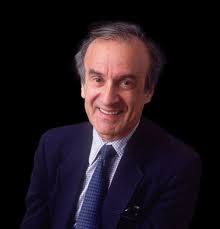
Elie Wiesel, one of the most influential voices of the twentieth century, is often remembered as a Nobel Peace Prize laureate, Holocaust survivor, author, professor, and humanitarian. Yet long before he became a global symbol of memory and moral responsibility, Elie Wiesel was a Romanian-born Jewish child whose world was shaped by the vibrant traditions of his native town Sighet and ultimately shattered by the atrocities of World War II. The phrase “Elie Wiesel Romania” evokes not only the geographic roots of a literary giant but also the cultural foundations, early influences, and national context that shaped his worldview. Romania was the landscape where Wiesel built his earliest memories, experienced spiritual growth, and witnessed the unraveling of Jewish life during the Holocaust. Understanding Elie Wiesel’s connection to Romania is essential for anyone wishing to fully appreciate his moral philosophy, his writing, and his lifelong mission to preserve memory so that future generations never forget humanity’s darkest chapters. This article explores the profound relationship between Elie Wiesel and his Romanian origins, tracing his early life, historical background, surviving legacy, and enduring impact on both Romania and the world.
1. The Historical Context of Jewish Life in Romania Before the Holocaust
To understand Elie Wiesel’s Romanian roots, one must first look at the broader history of Jewish life in Romania before World War II. Romania was home to one of the largest and most diverse Jewish communities in Europe, with major populations living in regions such as Transylvania, Bukovina, Moldavia, and Wallachia. Jewish communities in Romania were vibrant, multilingual, and culturally rich, contributing immensely to commerce, literature, education, and religious scholarship. However, this thriving community also lived under fluctuating political conditions, ranging from periods of relative tolerance to times of severe discrimination. Antisemitism existed in Romanian political life for decades prior to the war, and legal restrictions targeted Jewish citizens repeatedly. Nevertheless, Jewish towns like Sighet maintained strong identities, where traditions such as Hasidic spirituality, Hebrew learning, and communal solidarity flourished. For families like the Wiesels, life before the war was deeply grounded in religious observance, ethical teachings, and cultural continuity. The contrast between this flourishing world and its later destruction would profoundly shape Wiesel’s lifelong dedication to bearing witness.
2. Sighet: The Romanian Town That Shaped Elie Wiesel’s Early World
Elie Wiesel was born on September 30, 1928, in Sighet, a town located in the Maramureș region of northern Romania (then part of the Kingdom of Romania, later occupied by Hungary during WWII). Sighet was known for its rich Jewish heritage, with a large Hasidic population and numerous synagogues, schools, and study halls. Wiesel grew up in a home where Jewish scholarship, storytelling, and ethical reflection played central roles. His father, Shlomo, encouraged rational thought and civic responsibility, while his mother, Sarah, nurtured his spiritual interests and literary curiosity. From a young age, Wiesel was immersed in religious study, learning Torah, Talmud, and mystical texts. The rhythms of daily life in Sighet — the Sabbath meals, community gatherings, and the deep respect for scholarship — fostered in him a sense of belonging and intellectual passion that would later become essential pillars of his writing. Sighet was not just a birthplace; it was the spiritual hearth that shaped Wiesel’s earliest memories and remained a symbolic home throughout his life.
3. The Jewish Traditions and Cultural Influences That Formed Wiesel’s Identity
From childhood, Wiesel was surrounded by strong cultural influences that shaped his moral and intellectual identity. Hasidic Judaism, with its blend of mysticism, emotional depth, and storytelling traditions, played a major role in his upbringing. Wiesel often recalled the melodies of Hasidic chants, the voices of rabbinical teachers, and the stories passed down through generations. These traditions taught him that words carry immense spiritual power, and this belief would become central to his later work as an author. His family also encouraged humanistic values, stressing compassion, responsibility, and a deep awareness of suffering. Even as a child, Wiesel struggled with philosophical questions about God, justice, and human purpose — themes that would later appear prominently in his writings. The cultural richness of pre-war Jewish Romania gave Wiesel not only a foundation of faith but also a profound sense of heritage, both of which he would tirelessly preserve and share after the Holocaust
4. The Impact of War and the Devastation of the Romanian Jewish Community
The peaceful rhythms of life in Romania were shattered with the outbreak of World War II. Antisemitic policies escalated rapidly, and Jewish families faced increasing restrictions, deportations, and violence. When Northern Transylvania was placed under Hungarian control in 1940, conditions for Jews worsened dramatically due to Hungary’s alliance with Nazi Germany. In 1944, Wiesel and his family were forced into a ghetto in Sighet before being deported to the Auschwitz-Birkenau concentration camp. The collapse of Jewish life in Romania during the war marked one of the most tragic chapters in the country’s history. Entire communities were destroyed, synagogues burned, cultural institutions erased, and generations of families lost. For Wiesel, the Holocaust became the defining trauma of his life. The images of Sighet’s destruction and the suffering of his family remained etched in his memory, driving him to become a global advocate for remembrance and justice. The devastation of Romania’s Jewish community was not only a personal loss for Wiesel but also a historical wound he vowed never to let the world forget.
5. Elie Wiesel’s Deportation and the Transformation of His World
When Elie Wiesel was deported as a teenager, he encountered the unimaginable horrors of the concentration camps. Auschwitz, Buna, and Buchenwald would shape the emotional and intellectual core of his future identity. Although this chapter of his life extended beyond Romania’s borders, it remained deeply connected to his Romanian origins because the world he lost — his family, culture, and community — was rooted in the soil of his homeland. During this period, Wiesel witnessed the death of his mother and youngest sister in Auschwitz and later the death of his father in Buchenwald. These traumatic experiences created a permanent fracture in his sense of innocence and faith. His Romanian childhood had taught him moral clarity, hope, and spiritual purpose, but the Holocaust forced him to confront the depths of human cruelty. This transformation is chronicled in his memoir “Night,” where he describes the collapse of belief and the struggle to remain human in an inhuman world. His deportation was not only the loss of family but also the loss of Romania’s Jewish vibrancy — a loss he spent his life documenting and mourning.
6. Post-War Romania and the Rebuilding of Jewish Memory
After the war, Romania emerged as a nation scarred by the Holocaust and marked by significant political changes, including the rise of communism. For surviving Jews, returning home was often painful or impossible. Many Jewish families found their properties confiscated, their synagogues destroyed, and their communities decimated. Elie Wiesel did not return to Romania immediately after the war; instead, he went to France, where he rebuilt his life as a student, journalist, and eventually a writer. Yet Romania remained a central part of his memory, and he often reflected on the loss of his hometown and the irreversible changes to its cultural landscape. Over the decades, Romanian historians, educators, and activists worked to acknowledge the country’s role in the Holocaust and preserve the legacy of Jewish life in regions like Maramureș. Wiesel’s connection to Romania played a key role in inspiring efforts to confront the past honestly and commemorate the victims.
7. Elie Wiesel’s Literary and Ethical Legacy: A Voice Born in Romania
Elie Wiesel’s writings, speeches, and humanitarian work carried the imprint of his Romanian origins. The values he learned in Sighet — compassion, scholarship, moral reflection, and spiritual questioning — continued to guide him throughout his life. His literary voice often mirrored the storytelling traditions of Romanian Jewish culture, blending personal testimony with philosophical depth. Wiesel published more than 50 books, exploring themes such as memory, trauma, faith, and human responsibility. His Nobel Peace Prize in 1986 recognized his tireless commitment to fighting intolerance, genocide, and injustice. Though he became a global figure, the lessons of his childhood remained the foundation of his worldview. Wiesel often said that he wrote to keep the memory of his community alive, and by doing so, he ensured that the Romanian Jewish world of his youth would never disappear from human consciousness.
8. Romania’s Recognition and Commemoration of Elie Wiesel
In the decades following the fall of communism, Romania took significant steps to honor Elie Wiesel and acknowledge his contributions to global memory. Monuments were erected, educational programs were developed, and committees were established to study the Holocaust in Romania. The “Elie Wiesel National Institute for Studying the Holocaust in Romania,” founded in 2005, plays a major role in documenting historical truths and promoting awareness. Sighet, Wiesel’s birthplace, has also engaged in commemorative efforts, with museums and memorial events dedicated to preserving the town’s Jewish heritage. These acts of recognition demonstrate Romania’s evolving relationship with its past and its efforts to honor one of its most important moral voices. Through these initiatives, Romania not only celebrates Wiesel’s achievements but also acknowledges the responsibility to preserve the memory of the atrocities that shaped his life.
9. The Ongoing Educational Importance of Elie Wiesel’s Romanian Origins
Understanding Elie Wiesel’s origins is crucial for modern education, especially in the fields of Holocaust studies, ethics, and human rights. His Romanian background provides essential context for his worldview, illustrating how cultural identity, community traditions, and historical trauma converge to shape moral leaders. Schools, universities, and educators often include Wiesel’s story not only to teach history but also to spark discussions about the nature of evil, the importance of memory, and the responsibilities of individuals in preventing injustice. By exploring Wiesel’s Romanian childhood, students gain insight into the richness of Jewish life before the Holocaust and the profound loss inflicted by genocide. This knowledge fosters empathy and strengthens the resolve to guard against hatred in all its forms. Wiesel’s Romanian roots remind us that history is not abstract; it is personal, intimate, and deeply connected to the identities of real people whose stories continue to guide our understanding of humanity.
FAQ
1. Where in Romania was Elie Wiesel born?
Elie Wiesel was born in Sighet, a town in the Maramureș region of northern Romania.
2. How did Romania influence Elie Wiesel’s early life?
Romania provided the cultural and religious foundation for Wiesel’s childhood, shaping his love of learning, storytelling, ethics, and spirituality.
3. Was the Jewish community in Romania large before the Holocaust?
Yes. Romania had one of the largest Jewish populations in Europe, with vibrant communities across the country.
4. Did Elie Wiesel return to Romania after World War II?
He did not return immediately, but in later years he visited Romania and participated in memorial activities.
5. How is Elie Wiesel commemorated in Romania today?
Romania honors Wiesel through museums, memorials, educational programs, and the Elie Wiesel National Institute for Studying the Holocaust.
Conclusion
The story of Elie Wiesel and Romania is a powerful reminder of how personal identity, cultural heritage, and historical events intertwine to shape a moral leader. Romania was the place where Wiesel formed his earliest memories, discovered his spiritual voice, and witnessed the traditions that would later echo in his writings. It was also the site of devastating loss, where the vibrant Jewish community he knew was destroyed during the Holocaust. Throughout his life, Wiesel carried these experiences with him, transforming personal tragedy into a universal message of memory, compassion, and responsibility. His Romanian origins remain essential to understanding his legacy, as they represent both the beauty of a lost world and the resilience of the human spirit. By remembering Elie Wiesel’s connection to Romania, we honor not only his life but also the countless lives intertwined with his story — and we reaffirm the promise that history’s darkest moments will never be forgotten.