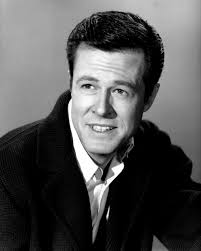
Robert Culp was a legendary American actor, screenwriter, and television personality whose career spanned more than five decades. Born on August 16, 1930, in Oakland, California, Culp became known for his versatile performances in both television and film, seamlessly transitioning between drama, comedy, and action genres. Best remembered for his roles in classic TV series such as I Spy alongside Bill Cosby, Culp made a significant impact on the entertainment industry through his nuanced acting, engaging storytelling, and commitment to pushing creative boundaries. Beyond his acting, Culp contributed as a writer and director, demonstrating a profound understanding of narrative and character development. His influence extends beyond his roles, reflecting the evolution of American television during the mid-20th century and the growing prominence of actors who could balance artistry with mainstream appeal. Understanding Robert Culp requires examining his early life, career trajectory, signature roles, contributions to television and film, personal life, and the lasting legacy he left on audiences and the entertainment industry.
Early Life and Education
Robert Culp was born in Oakland, California, and grew up in a time when the entertainment industry was rapidly evolving. From a young age, he demonstrated an interest in the arts, particularly in performance and storytelling. He pursued higher education at Washington High School before attending the University of Washington, where he studied liberal arts and developed a deeper understanding of literature, theater, and dramatic performance. His early life was marked by a blend of academic curiosity and artistic exploration, providing the foundation for a career that would eventually combine intellect, creativity, and charisma. These formative years shaped Culp’s approach to acting, instilling a discipline and depth that would characterize his performances throughout his life.
Early Career in Television and Film
Culp began his professional acting career in the 1950s, initially appearing in guest roles on popular television series. His early work included appearances in westerns, dramas, and anthology programs that allowed him to showcase his versatility and range. His ability to adapt to different genres quickly earned him recognition among casting directors and audiences alike. During this period, Culp honed his craft, learning the intricacies of on-camera performance and developing the timing, nuance, and presence that would become hallmarks of his later roles. His early career laid the groundwork for his transition to leading roles and more significant creative projects in television and film.
Breakthrough Role: I Spy
Robert Culp’s career reached a pivotal moment with the launch of the television series I Spy in 1965. Starring alongside Bill Cosby, Culp played Kelly Robinson, a sophisticated intelligence agent who combined espionage skills with wit, intelligence, and charm. I Spy was groundbreaking for multiple reasons: it was one of the first series to feature an African-American actor in a lead role opposite a white actor, it blended action and comedy with thoughtful character development, and it elevated television storytelling with cinematic production values. Culp’s performance was widely acclaimed for its depth, charisma, and chemistry with Cosby, earning him multiple Emmy nominations and establishing him as a major figure in American television. This role not only defined Culp’s career but also marked a turning point in television history, reflecting changing social dynamics and the potential of TV as a medium for sophisticated storytelling.
Other Notable Television Roles
Beyond I Spy, Culp appeared in numerous acclaimed television series that demonstrated his range as an actor. His work in shows such as The Greatest American Hero, Trackdown, and guest appearances in The Twilight Zone and Columbo showcased his ability to inhabit diverse characters—from heroic and authoritative figures to complex, morally ambiguous roles. These appearances reinforced Culp’s reputation as a versatile actor capable of commanding attention and bringing depth to every performance. His consistency and professionalism made him a sought-after talent, contributing to the golden age of American television and leaving a lasting impression on audiences and critics alike.
Film Career and Contributions
While primarily known for television, Robert Culp also made significant contributions to film. He appeared in movies across genres, including thrillers, dramas, and action films. Notable roles included performances in Bob & Carol & Ted & Alice and Hickey & Boggs, which allowed him to explore complex narratives and nuanced character portrayals. Culp’s film work complemented his television career, demonstrating that he could transition between mediums seamlessly while maintaining a high standard of performance. His presence in cinema added depth to the projects he was involved in, and his work continues to be appreciated by film historians and enthusiasts for its technical skill and emotional resonance.
Writing and Directing Career
In addition to acting, Robert Culp was an accomplished writer and director. He wrote scripts for various television shows and occasionally directed episodes, demonstrating his comprehensive understanding of storytelling and production. His writing was characterized by sharp dialogue, layered character development, and engaging plot structures that enhanced the projects he worked on. By participating behind the camera, Culp expanded his influence beyond performance, shaping narrative direction and contributing to the creative vision of his projects. This multifaceted involvement underscored his dedication to the craft of storytelling and his commitment to artistic integrity.
Personal Life and Interests
Robert Culp was known for his diverse interests beyond acting. A lover of literature, music, and the arts, he brought intellectual curiosity and creativity to both his personal and professional life. He was also committed to family, maintaining close relationships and balancing the demands of Hollywood with personal responsibilities. Culp’s multifaceted persona, blending intellect, artistry, and humanity, made him not only a respected performer but also a beloved figure among colleagues and fans. His personal life reflected the same discipline, curiosity, and passion that characterized his professional career, contributing to the depth and authenticity of his public persona.
Awards, Recognition, and Legacy
Throughout his career, Robert Culp received critical acclaim, awards, and industry recognition for his contributions to television and film. His Emmy nominations for I Spy were particularly notable, reflecting his impact on television acting and cultural representation. Beyond awards, Culp’s legacy lies in his influence on future generations of actors, writers, and directors. His work helped to redefine television performance standards, elevated storytelling quality, and expanded opportunities for diverse casting. The respect he earned from peers, critics, and audiences ensures that his contributions continue to be celebrated and studied as part of television and film history.
Influence on Television and Pop Culture
Robert Culp’s influence extends beyond his immediate roles. He played a key role in shaping modern television storytelling, blending genre elements, character-driven narratives, and social commentary. His performances contributed to the elevation of television as a respected medium for artistic expression and helped pave the way for greater representation and diversity on screen. Culp’s characters, particularly in I Spy, challenged stereotypes, introduced innovative dynamics, and inspired both contemporary and future performers. His impact on pop culture reflects the intersection of talent, timing, and social progress, illustrating the transformative power of thoughtful and engaging media.
Challenges and Career Longevity
Like many actors, Culp faced challenges including the competitive nature of Hollywood, evolving audience expectations, and industry pressures. However, his adaptability, professionalism, and dedication allowed him to sustain a long and diverse career. By continually refining his craft, exploring new roles, and embracing creative opportunities, Culp maintained relevance and influence across multiple decades. His career longevity is a testament to his talent, work ethic, and ability to resonate with audiences across generations.
Conclusion: Remembering Robert Culp
In conclusion, Robert Culp was a multifaceted actor, writer, and director whose work left an indelible mark on television, film, and pop culture. From his groundbreaking role in I Spy to his diverse contributions in film, writing, and directing, Culp exemplified versatility, intelligence, and artistry. His influence continues to inspire actors, writers, and fans, reflecting the enduring power of performance and storytelling. Robert Culp’s legacy reminds us that thoughtful, nuanced, and daring creativity can transcend time, leaving a lasting impact on both industry and audience.
FAQ
Who was Robert Culp?
Robert Culp was an American actor, screenwriter, and director known for his television and film work, including his iconic role in I Spy.
What is Robert Culp best known for?
He is best known for playing Kelly Robinson in I Spy alongside Bill Cosby, a role that was groundbreaking in television history.
Did Robert Culp work in film as well as television?
Yes, he appeared in several films including Bob & Carol & Ted & Alice and Hickey & Boggs, showcasing his versatility.
Was Robert Culp also a writer or director?
Yes, he wrote and directed multiple television episodes, contributing to creative development behind the camera.
What awards did Robert Culp receive?
He received Emmy nominations and widespread recognition for his performances, particularly in I Spy.
When was Robert Culp born?
Robert Culp was born on August 16, 1930, in Oakland, California.
What impact did Robert Culp have on television?
He helped elevate television storytelling, introduced innovative character dynamics, and influenced both representation and performance standards.
Why is Robert Culp’s legacy important?
His legacy is important because he shaped modern television, inspired future performers, and left lasting contributions to film, writing, and storytelling.