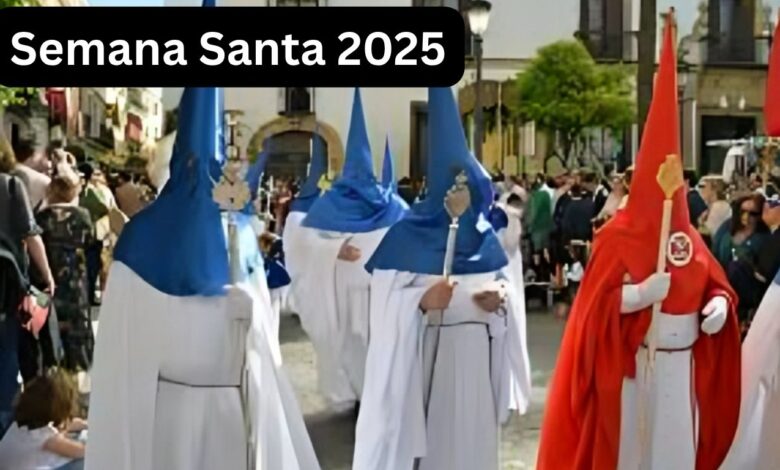
Semana Santa 2025, or Holy Week 2025, marks one of the most sacred and emotional celebrations in the Christian calendar. Observed by millions across the world—especially in Spain, Latin America, and the Philippines—this week commemorates the Passion, Death, and Resurrection of Jesus Christ.
Each year, Semana Santa 2025 brings together faith, art, music, and centuries-old traditions that transform cities into living museums of devotion. From the grand processions of Seville to the humble rituals in small towns, Holy Week offers a captivating blend of spirituality and cultural expression.
In this guide, we’ll explore everything you need to know about Semana Santa 2025 — its origins, important dates, traditions around the world, and how to experience it meaningfully.
When Is Semana Santa 2025?
Semana Santa 2025 begins on Sunday, April 13, 2025 (Palm Sunday) and concludes on Saturday, April 19, 2025 (Holy Saturday), followed by Easter Sunday on April 20, 2025.
This week includes several significant days that hold deep religious importance:
Palm Sunday (April 13, 2025): Commemorates Jesus’ triumphant entry into Jerusalem.
Holy Thursday (April 17, 2025): Remembers the Last Supper of Christ with His disciples.
Good Friday (April 18, 2025): Marks the crucifixion and death of Jesus.
Holy Saturday (April 19, 2025): A day of mourning and reflection before Easter.
Easter Sunday (April 20, 2025): Celebrates the Resurrection — the foundation of Christian faith.
The dates of Semana Santa 2025 depend on the lunar calendar, as Easter Sunday falls on the first Sunday after the first full moon following the spring equinox.
The Historical Roots of Semana Santa
From Biblical Times to Modern Traditions
Semana Santa traces its origins back to the earliest days of Christianity. As the faith spread across the Roman Empire, believers began observing the Passion of Christ through prayers, fasting, and storytelling.
By the Middle Ages, these spiritual reflections evolved into dramatic reenactments, processions, and liturgical ceremonies, especially in Spain. Religious brotherhoods, known as cofradías or hermandades, emerged to organize these processions and preserve the customs that continue today.
The Spanish Influence
Spain played a central role in shaping Semana Santa as we know it. During the 16th and 17th centuries, Spanish cities like Seville, Málaga, and Valladolid developed elaborate Holy Week rituals featuring ornate floats (pasos) depicting scenes from the Passion.
When Spanish explorers colonized parts of Latin America and the Philippines, they brought these traditions with them—creating diverse yet deeply connected ways of celebrating Semana Santa 2025 across the world.
Semana Santa 2025 Around the World
Spain: The Heart of Semana Santa
In Spain, Semana Santa is an extraordinary spectacle of art, emotion, and devotion. Each region celebrates differently, but a few stand out for their grandeur:
Seville
Seville’s Semana Santa is world-famous for its majestic processions. Thousands of penitents dressed in traditional robes accompany floats adorned with lifelike sculptures of Christ and the Virgin Mary. Bands play solemn marches, while crowds line the streets in silence and reverence.
Málaga
Known for its vibrant atmosphere, Málaga combines faith with festivity. Gigantic thrones carried by hundreds of devotees move through the streets as people chant and throw flowers.
Valladolid
Valladolid’s processions emphasize solemnity and art. Its wooden sculptures, carved by Spanish masters like Gregorio Fernández, are among the most revered in Europe.
Latin America: Faith and Festivity Combined
In Latin America, Semana Santa 2025 will once again unite communities through music, processions, and public devotion.
Guatemala
Antigua, Guatemala, is especially famous for its stunning alfombras — colorful carpets made from sawdust, flowers, and fruit that decorate the streets for processions. These artistic creations last only a few hours before being walked upon, symbolizing the transient beauty of life.
Mexico
In Mexico, Holy Week merges Catholic traditions with indigenous elements. From the Passion Play in Iztapalapa to candlelit vigils in colonial towns, the celebrations express both faith and cultural identity.
Peru
Cusco and Ayacucho host elaborate processions featuring music, flowers, and fireworks. Ayacucho’s Holy Week is recognized by UNESCO for its cultural importance.
Philippines: Deep Faith in Action
The Philippines, with its strong Catholic roots, observes Semana Santa 2025 with intensity and reverence. The entire nation slows down as communities engage in rituals like the Pabasa (chanting of Christ’s Passion), Visita Iglesia (visiting seven churches), and dramatic reenactments of the crucifixion known as the Senakulo.
Traditions and Symbols of Semana Santa 2025
Processions
At the heart of Semana Santa are the processions, where penitents and brotherhoods carry statues representing episodes of the Passion. These processions can last hours and are accompanied by bands playing somber music that evokes the suffering of Christ.
Cofradías (Brotherhoods)
Cofradías are religious associations that have maintained Semana Santa traditions for centuries. Each brotherhood typically represents a parish or neighborhood and is responsible for organizing one or more processions.
Nazarenos and Penitents
Nazarenos wear tunics and pointed hoods (capirotes) that cover their faces as a sign of humility and anonymity. Penitents often walk barefoot or carry crosses as acts of devotion.
Pasos (Floats)
Pasos are elaborately decorated platforms featuring life-sized sculptures of Christ, the Virgin Mary, or biblical scenes. They are carried by costaleros, who bear the heavy weight on their shoulders through narrow streets.
Music and Emotion
Bands accompany processions with music that ranges from mournful to triumphant. The sounds of drums and trumpets echo through city streets, creating an atmosphere of solemn beauty.
Semana Santa 2025: Spiritual Reflection and Cultural Heritage
Beyond the rituals, Semana Santa 2025 invites believers and visitors alike to reflect on sacrifice, redemption, and faith. It is a time when art, religion, and community come together, turning cities into open-air sanctuaries.
For many, participating in Semana Santa 2025 isn’t just a tradition—it’s a profound spiritual journey. Whether attending a quiet mass or witnessing a grand procession, each experience connects people to centuries of devotion and humanity’s shared longing for hope.
How to Experience Semana Santa 2025 as a Visitor
If you plan to travel during Semana Santa 2025, preparation is key. Here are some practical tips:
Choose Your Destination Early
Popular destinations like Seville, Antigua, and Málaga get booked months in advance. Plan accommodations and transportation early to avoid crowds.
Respect Local Traditions
Semana Santa is a deeply religious event. Dress modestly, avoid loud conversations during processions, and refrain from obstructing participants.
Capture Memories Respectfully
Photography is often allowed, but remember to be discreet and respectful—especially during sacred moments.
Try Local Foods
Many countries have special Holy Week dishes. In Spain, torrijas (a type of French toast) are a must-try, while in Latin America, traditional fish dishes replace meat during Lent.
Attend a Local Mass or Vigil
Joining a local mass during Semana Santa 2025 can offer a deeper understanding of its spiritual significance.
Modern Influence and Media Coverage
In recent years, Semana Santa celebrations have gained international attention through documentaries, social media, and live broadcasts. Cities like Seville and Málaga stream processions online, allowing people around the world to witness this extraordinary week.
Even with modern technology, the core essence of Semana Santa 2025 remains rooted in faith, humility, and remembrance. It continues to inspire millions, blending ancient tradition with contemporary devotion.
The Economic and Cultural Impact of Semana Santa 2025
Semana Santa is not only a religious event but also an economic driver. Cities experience significant boosts in tourism, local crafts, hospitality, and gastronomy. Artisans create handmade candles, garments, and religious figures, supporting local economies.
At the same time, the celebration strengthens cultural identity and unity. Families pass down customs, songs, and rituals from one generation to the next, ensuring that will continue to be a living expression of faith and heritage.
Environmental and Social Awareness During Semana Santa 2025
As awareness grows about sustainability, many communities are adopting eco-friendly practices for Semana Santa 2025. Processions are reducing plastic waste, and volunteers are cleaning up after events. Churches also promote charitable actions, encouraging donations to those in need as a true reflection of Christ’s teachings.
Semana Santa 2025 in Art, Film, and Music
Over the centuries, Semana Santa has inspired countless works of art, literature, and music. Baroque painters depicted the Passion, while composers wrote haunting pieces for processions. In modern times, films and documentaries continue to explore the human side of Holy Week, capturing both faith and emotion.
From Seville’s “Marcha Real” to the “Saetas” — spontaneous flamenco songs sung from balconies — music remains an essential part of bridging heaven and earth through melody.
Why Semana Santa 2025 Matters Today
In a fast-paced, digital world, Semana Santa 2025 offers a rare opportunity for reflection and connection. It reminds people of compassion, forgiveness, and community values that transcend religion. Whether you observe it for faith, culture, or curiosity, it invites you to pause and remember the story of love and sacrifice that changed human history.
Frequently Asked Questions (FAQs) About Semana Santa 2025
What is Semana Santa 2025?
or Holy Week 2025, is a Christian observance commemorating the Passion, Death, and Resurrection of Jesus Christ. It includes religious ceremonies, processions, and cultural traditions across the world.
When does Semana Santa 2025 take place?
begins on April 13 (Palm Sunday) and ends on April 19 (Holy Saturday), followed by Easter Sunday on April 20.
Where are the best places to experience Semana Santa 2025?
Top destinations include Seville (Spain), Antigua (Guatemala), Málaga (Spain), Cusco (Peru), and Manila (Philippines) — each offering unique traditions.
What foods are eaten during Semana Santa?
Common dishes include torrijas in Spain, fish-based stews in Latin America, and vegetable dishes during Lent. Meat is traditionally avoided during the week.
Is Semana Santa 2025 only for Catholics?
While rooted in Catholic tradition, is a cultural event open to everyone who appreciates art, history, and spirituality.
How can I participate respectfully as a tourist?
Dress appropriately, remain quiet during processions, avoid flash photography, and support local artisans and vendors.
Why is Semana Santa so important?
It represents the core of Christian faith — the sacrifice and resurrection of Christ — while also serving as a rich cultural heritage celebrated globally.
Conclusion
Semana Santa 2025 stands as a powerful reminder of humanity’s enduring search for meaning, redemption, and unity. Across continents, people come together in prayer, music, and art to honor a story that has inspired the world for over two thousand years.
Whether you witness the grandeur of Seville, the devotion of Guatemala, or the humility of a local parish, offers an unforgettable experience — one that transcends time, culture, and belief.
As Holy Week approaches, let us embrace its message of hope, compassion, and renewal — values that the world needs now more than ever.