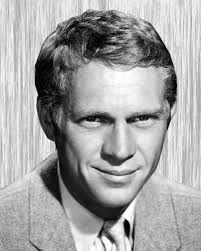
Few names in the world of cinema evoke as much effortless charisma, rugged individuality, and timeless appeal as Steve McQueen. Known worldwide as the “King of Cool,” McQueen represents more than just a film star—he embodies a cultural archetype that has influenced generations of actors, directors, fashion designers, fans, and rebels at heart. From the moment he appeared on screen, McQueen projected a sense of authenticity rarely matched in Hollywood. His stoicism, emotional depth behind minimal dialogue, and trademark blend of vulnerability and strength made him an icon whose image remains as potent today as it was decades ago. This article explores his early life, his explosive rise to fame, his major film achievements, personal passions, complex inner life, cultural impact, and the lasting legacy that still shapes the entertainment world. The following in-depth analysis offers not just a recounting of his biography, but a deeper look into why Steve McQueen continues to fascinate audiences and dominate conversations about what makes a true cinematic legend.
1. Early Life and Formative Years: The Making of a Cultural Archetype
Steve McQueen’s extraordinary story begins with a turbulent childhood, marked by instability, neglect, and an early exposure to hardship that shaped his personality and screen presence. Born in 1930, he grew up during a time of national uncertainty, and his early years involved frequent relocations, fragmented family relationships, and various struggles that taught him to rely on himself. Many biographers highlight how these difficult experiences formed the emotional core of his later performances: his characters often carried a quiet sense of abandonment and resilience that felt remarkably real. When McQueen eventually found his footing through a mixture of manual labor jobs, a stint in the military, and later acting classes, he brought with him an unusual depth of lived experience. This authenticity gave him an edge over other emerging actors who had more polished backgrounds but lacked the raw humanity that defined McQueen’s approach to performance. His early struggles were not merely obstacles; they became the fuel that powered his unmistakable style and uncompromising approach to both life and art.
2. Finding His Craft: The Journey from Theater to Television and Beyond
McQueen’s entry into acting was not immediate, nor was it driven by glamour. Like many working-class individuals seeking purpose, he discovered acting almost by accident after taking advantage of the G.I. Bill. In theater classes, he found a new language for expressing emotions he had kept bottled up for years. His teachers noted his intensity, his piercing stare, and his ability to convey a storm of feelings without raising his voice. These traits later became hallmarks of his screen roles. As he transitioned into off-Broadway productions and early television work, McQueen deliberately avoided being overly polished. He clung to naturalism at a time when Hollywood still celebrated melodrama and theatrical exaggeration. This made him stand out instantly. His work on shows such as Wanted: Dead or Alive gave him a platform to showcase his screen presence and cemented him as a performer who could make even the simplest scene feel alive with tension and intrigue. By the time film studios recognized his potential, McQueen had developed a signature acting style rooted in realism and emotional honesty.
3. Breakthrough Roles and the Ascent to Hollywood Royalty
The 1960s marked Steve McQueen’s meteoric rise to the top of the film industry. Films like The Great Escape, Bullitt, The Magnificent Seven, and The Cincinnati Kid revealed his uncanny ability to command attention without relying on excessive dialogue or exaggerated physicality. In The Great Escape, for instance, his portrayal of Captain Virgil Hilts was so magnetic that scenes were rewritten to amplify his presence, culminating in the now-legendary motorcycle escape sequence. McQueen had an innate sense of how to use silence, subtle facial expressions, and physical movement to communicate what other actors used monologues to achieve. In Bullitt, his iconic car-chase sequence revolutionized action cinematography and transformed the way audiences understood realism in film stunts. By the mid-1960s, McQueen had become the highest-paid movie star in the world, a feat achieved through a combination of artistic authenticity, star power, and a work ethic that demanded excellence in every frame. His ascent was not merely a career progression but a cultural shift, ushering in a new era of understated masculinity and emotional complexity.
4. The Iconic McQueen Persona: Stoicism, Rebellion, and Vulnerability
McQueen’s persona became one of the most recognizable identities in Hollywood, defined by a carefully balanced combination of rugged toughness and emotional depth. Unlike many of his contemporaries who embraced loud, theatrical performances, McQueen mastered a minimalist approach that made his characters feel both strong and relatable. His roles often featured men who lived on the edge—outsiders, rebels, loners with a moral compass shaped by experience rather than societal expectations. Yet beneath that exterior, McQueen conveyed unmistakable vulnerability: a hesitation in the eyes, a quiet moment of reflection, a subtle shift in posture. This duality made him uniquely compelling. Audiences saw in him a man who had survived hardship but still searched for meaning. His persona influenced not only actors but also the broader culture, shaping trends in fashion, behavior, and attitudes about what it meant to be masculine without being emotionally closed off. In many ways, McQueen represented a new model for male identity—one that embraced strength while acknowledging the human condition.
5. A Lifelong Love of Speed: Cars, Motorcycles, and Risk
One of the defining features of Steve McQueen’s life was his passion for speed. Whether racing motorcycles in the desert or driving high-performance cars, McQueen found freedom in motion, and this passion bled into his film career. His commitment to performing many of his own stunts was not a publicity stunt but an extension of his genuine love for the mechanics, thrill, and discipline of motorsports. Films like Bullitt and Le Mans not only showcased his skills but also introduced audiences to the world of racing with unprecedented realism. Off screen, McQueen participated in legitimate races and became known within the racing community as a serious competitor, not merely a movie star dabbling in hobbies. His garage included an impressive collection of cars and bikes that reflected his obsession with engineering and craftsmanship. This element of his personality added to his mystique; he was not only an actor but a man driven by passion, adrenaline, and a desire to push limits, both professionally and personally.
6. Relationships, Fame, and the Man Behind the Cool Exterior
Despite his public persona, Steve McQueen’s private life was complicated, marked by intense relationships, personal battles, and moments of vulnerability that rarely reached the public eye during his lifetime. His marriages, friendships, and struggles with fame reveal a man who often felt trapped by the very image that made him famous. McQueen’s childhood experiences left deep emotional scars that influenced his trust in others and shaped how he navigated intimacy. His fame brought both adoration and isolation, and the tension between his desire for independence and need for connection played out repeatedly in his personal life. Yet those who knew him often described him as fiercely loyal, deeply thoughtful, and surprisingly introspective. These contradictions only added to his allure, creating a multifaceted human being whose authenticity made him relatable despite his superstar status. McQueen’s inner conflicts became an integral part of his legend, painting a portrait of a man constantly balancing public expectations with private truth.
7. Impact on Fashion and Pop Culture: The Birth of Timeless Cool
The term “cool” may have existed before Steve McQueen, but his influence helped define how modern culture interprets the concept. His style—effortlessly simple yet undeniably bold—transformed men’s fashion for decades. The Harrington jacket, the Persol sunglasses, the turtleneck sweaters, the rugged boots, and the casual denim combinations have been emulated generation after generation. Designers continue to cite McQueen as an inspiration for contemporary menswear, noting that his approach emphasized authenticity over trends. Beyond fashion, his persona shaped music videos, photography, advertising campaigns, and the broader cultural imagination. McQueen became more than a movie star; he became a symbol of independence, rebellion, and understated sophistication. From luxury car brands to high-end fashion houses, references to his image appear repeatedly because he embodies an ideal that remains universally appealing: the individual who lives by his own rules, without pretense or apology.
8. Later Career, Personal Growth, and the Unfinished Chapters
As McQueen matured, both as an actor and as a person, he began exploring new artistic directions and roles that embraced emotional depth more fully. Films such as Junior Bonner, The Reivers, and Papillon showcased his ability to step beyond the “tough guy” persona into more introspective territory. During these years, McQueen also reevaluated his priorities, focusing more on his family, personal health, and spiritual beliefs. He sought meaning beyond Hollywood, often retreating from the spotlight to rebuild a sense of inner balance. Tragically, his life was cut short at the age of 50, leaving countless possibilities unrealized. Yet even in this abbreviated final chapter, McQueen demonstrated resilience, humility, and a renewed commitment to living authentically. These later years remind us that McQueen was more than the sum of his public roles; he was a human being striving to understand himself and the world around him.
9. The Legacy of Steve McQueen: Why His Influence Keeps Growing
Decades after his passing, Steve McQueen’s legacy continues to expand. Modern actors frequently cite him as an inspiration for their approach to minimalism and emotional authenticity. Directors refer to his performances when discussing how to create tension without relying on excessive dialogue or dramatic gestures. His films remain staples in cinematic history classes, and his iconography permeates pop culture in subtle and overt ways. Collectors still seek out memorabilia connected to him, and documentaries, retrospectives, and biographies revisit his life from new angles. Younger generations discovering him for the first time often express surprise at how modern his style feels, proving that true authenticity never goes out of fashion. McQueen’s influence endures not because of nostalgia alone but because his approach to life—bold, introspective, individualistic—resonates across eras. He remains a gold standard for what it means to leave a genuine, lasting impact.
Frequently Asked Questions (FAQ)
1. Why is Steve McQueen called the “King of Cool”?
Steve McQueen earned the title due to his effortless blend of calm confidence, understated acting style, minimalist fashion, and rebellious yet relatable persona. He represented a type of masculinity defined by authenticity and emotional depth rather than bravado.
2. What are Steve McQueen’s most famous films?
His most iconic films include Bullitt, The Great Escape, The Magnificent Seven, Le Mans, The Cincinnati Kid, Papillon, and The Thomas Crown Affair. These films highlight his unique ability to captivate audiences through subtlety and physical presence.
3. Did Steve McQueen perform his own stunts?
Yes, McQueen performed many of his own stunts, especially in films involving cars and motorcycles. His expertise in motorsports added realism to his action sequences and contributed to his legendary status.
4. How did his personal life influence his acting?
McQueen’s difficult childhood, emotional struggles, and complex relationships gave him a deep well of experience to draw from. This contributed to the quiet intensity and emotional authenticity that defined his performances.
5. Why is his legacy still strong today?
His authenticity, timeless style, unique persona, and influence on both film and fashion ensure that his impact continues to inspire new generations. McQueen represents an archetype that remains culturally relevant.
Conclusion – The Immortal Appeal of Steve McQueen
Steve McQueen was more than a movie star; he was a cultural phenomenon whose influence transcends time. His films remain powerful examples of the art of understatement, his fashion sense continues to inspire, and his personal story resonates with anyone who values authenticity and individuality. McQueen embodied a rare combination of toughness and vulnerability, rebellion and introspection, simplicity and depth. His legacy lives on not only in cinema but also in the millions of people who continue to admire his approach to life. Even decades after his passing, Steve McQueen remains a reminder that true coolness comes not from image alone but from the courage to live honestly, passionately, and unapologetically. The legend endures because the man behind it left a blueprint for what it means to be timeless.